This was such a useful course to take part in. I have learnt so much and can already see the difference it is making to the learning and reading of my students. :)

This was such a useful course to take part in. I have learnt so much and can already see the difference it is making to the learning and reading of my students. :)
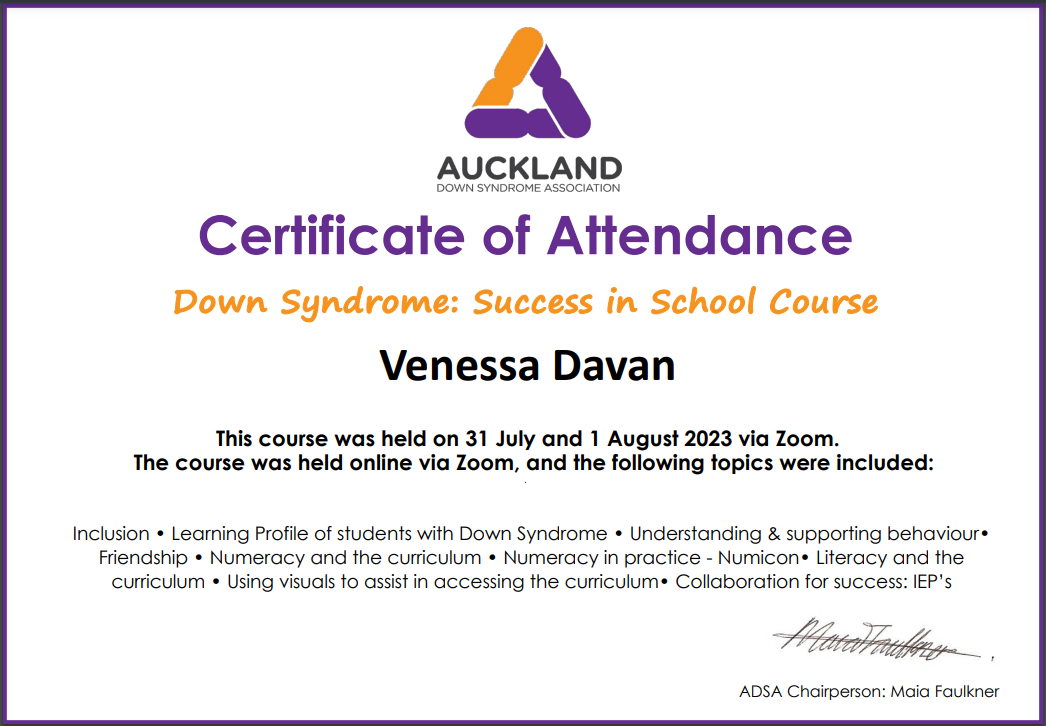
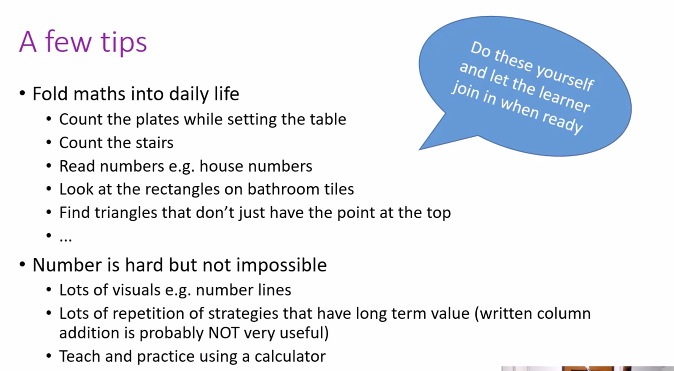
Numeracy & adapting the curriculum with Dr Rhonda Faragher
Teach the student the same math that is being taught in their level with adaptations or adjustments. Year level adjusted curriculum is about allowing kids to move past holes and perhaps fill them as they go.
Our understanding of quantity gets pegged to the word (or the language). For children with down syndrome, we need to focus on the symbols. Visuals, such as number lines are essential.
Problems with number may be a deficit in number processing. However, other areas of mathematics are accessible.
Use calculators! Talking calculator as an app on the iPad can work wonders.



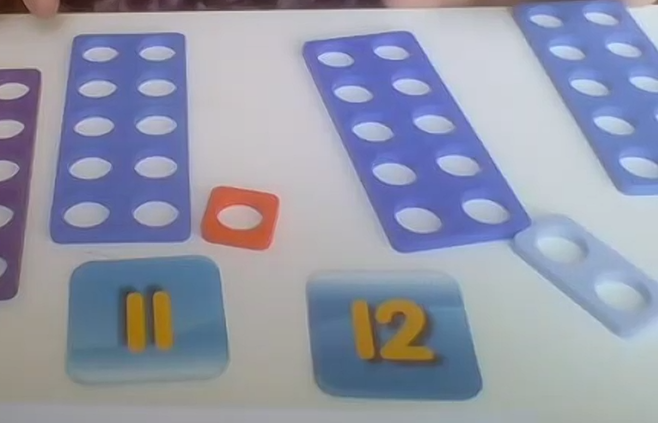


Use visuals. We can create a student profile which they can share with others. Use visuals to show, because it is easier for them to understand and to share.


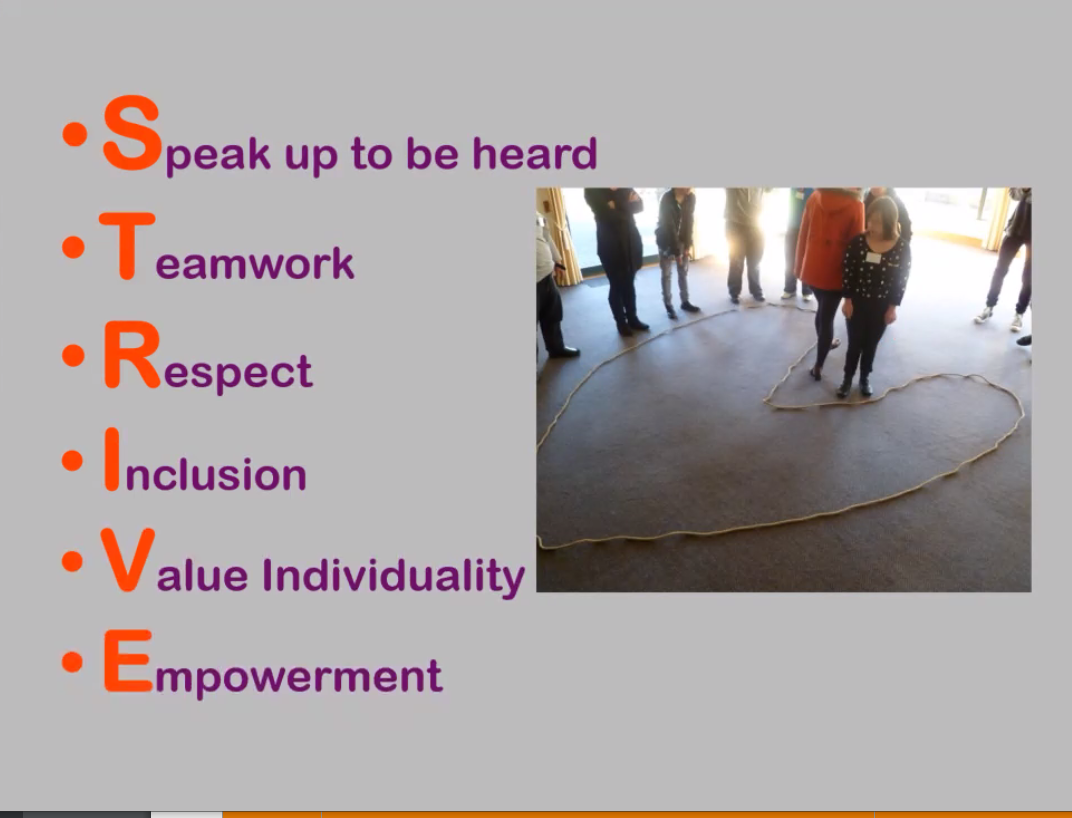
Hearing from Edward Borkin, sharing his story growing up with down syndrome. He is a founding member of STRIVE, Their main goal is:


It is five weeks into the term, and it is clear that there needs to be some work done around learning to read a word and sounding it out for spelling. After reading with all the students in the class, I have noticed a large group of students that are not able to chunk sounds together when reading, ie 'this' becomes 't' 'h' 'i' 's' rather than 'th' 'is' or 'th' 'i' 's'. I have also noticed that students are reading words such as pressed, and sounding out both the 's' in the word. This makes it tricky for the students to put the sounds together.
During writing I have noticed when students sound out unknown words, they look nothing like what they sound. They are including sounds that are not part of the word, or missing important sounds.
Therefore, for my inquiry during Term 1, I would like to look at introducing a daily phonics programme into our classroom and see if this will make a difference to the way in which students are able to decode a word and if it improves overall student spelling.
I will be selecting a group of students. These students would be tested using PM running records, have already completed STAR and will have a pseudoword test. They will then be receiving daily phonics instruction along with games to increase their understanding. They will be assessed again after 6 weeks to see progress; if any has been made.